Our Lower Sixth Geography students have enjoyed an immersive and thought-provoking field trip to South Devon, investigating some of the key themes they are studying as part of their A Level Geography course.
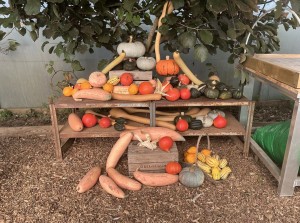
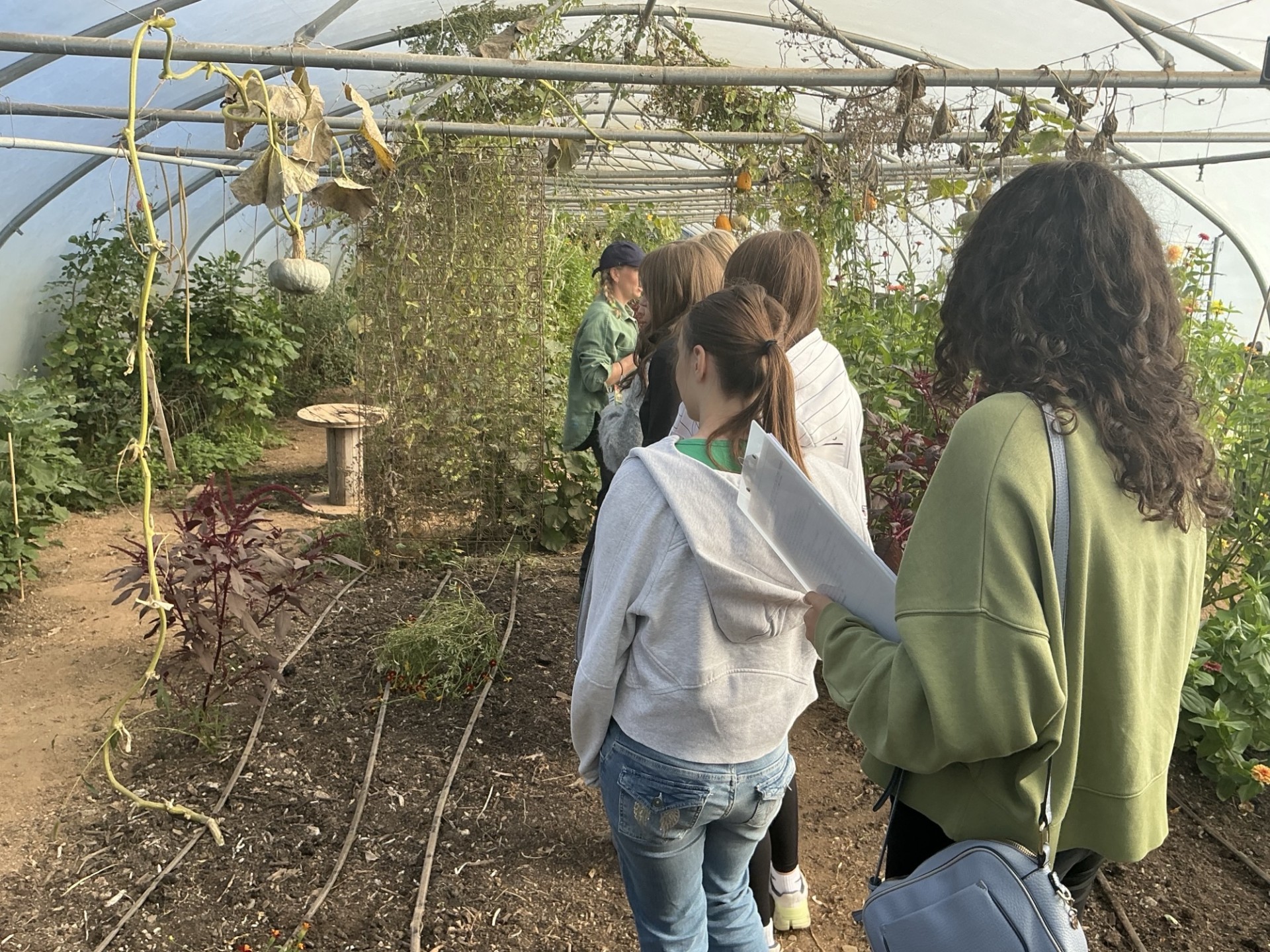
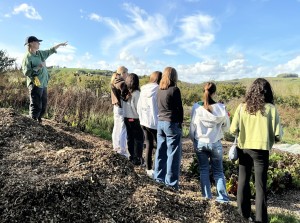
The trip began with a fascinating visit to Riverford Farm, where students were welcomed by Kate for an insightful tour of one of the UK’s most successful organic farming enterprises. Following a delicious lunch featuring Riverford’s famous curried cauliflower, students learned how the business has grown from a small family-run organic farm into one of the largest employers in the South Hams.
As well as discovering more about sustainable food production and rural economic development, students were able to sample fresh produce straight from the polytunnels and gain an understanding of Riverford’s distinctive culture. Discussions centred on how the organisation has developed its own unique sense of belonging, with a strong emphasis on staff wellbeing, community and shared values.
After travelling through the beautiful Devon countryside, the group arrived at Slapton Ley Field Studies Centre. Following a welcoming fish and chip supper, students spent the evening back in the classroom, analysing and evaluating the day’s findings before preparing for another busy day of fieldwork.
A restful night and a hearty Full English breakfast set the group up for a packed second day. The morning began with a laboratory session comparing the coastal systems of Studland Bay and Start Bay, helping students develop a deeper understanding of the physical processes shaping these dynamic environments.
The focus then shifted to the real-world impacts of coastal change. After packing up, the students travelled to Torcross to investigate the effects of the powerful February storms on the coastline. The evidence of erosion and storm damage was striking. Students observed how sections of road and car park near Slapton Ley had been washed away, while the beach itself appeared significantly narrower than during previous visits.
Working as geographers in the field, students carried out a range of data collection techniques, including beach profiling, bi-polar analysis of sea defences and measurements of longshore drift. Their professionalism, teamwork and enthusiasm throughout the practical investigations were outstanding.
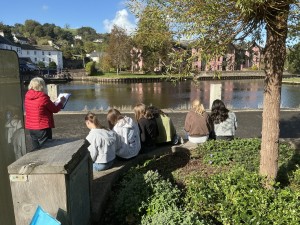
The final stage of the trip took students to Totnes, where they explored the concept of place and belonging within a thriving market town. Through field sketches, sense-scapes, questionnaires and a clone town/home town survey, students examined how residents and visitors perceive Totnes and what contributes to its strong local identity.
The fieldwork provided an invaluable opportunity for students to apply classroom learning in real-world contexts, developing both their geographical enquiry skills and their understanding of complex human and physical processes. From investigating sustainability and community at Riverford, to analysing coastal change at Torcross and exploring place identity in Totnes, the trip offered a rich and memorable learning experience.
Well done to all the students, who represented Talbot Heath superbly throughout and approached every challenge with curiosity, enthusiasm and professionalism.